Oxfam in Malawi has called for restructuring of social protection programmes to have an exit strategy in view of the economic distress and shocks the country continues to face.
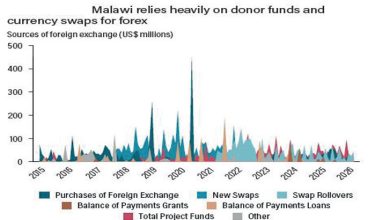
The call comes at a time the country’s social protection programmes face sustainability concerns as globally, key donors continue to reduce aid as they adapt to new demands.
Speaking in an interview on Friday, Oxfam in Malawi country director Lingalireni Mihowa observed that restructuring the social protection programmes to move from just consumption could be key.
She said: “It is important to protect the most vulnerable and poor, but there is need to design the programmes that have exit strategies, have sustainability pathways and those that are linked to production and stimulating local economies, not just consumption.

“There is need to limit consumption to marginalised groups who cannot offer labour for cash such as the elderly and children.”
Ministry of Finance and Economic Affairs data shows that on average, Malawi Government has been contributing five percent to the funding of the Social Cash Transfer Programme (SCTP) since 2016/17 fiscal year, with 36 percent of resources coming from the World Bank, 27 percent from Germany, 23 percent from the European Union (EU), seven percent from Irish Aid and one percent technical support from United Nations’ Children Fund.
At the same time, government’s contribution to the programme covers only one district, with the other 27 districts funded through donor support.
Centre for Social Concern economic governance officer Agness Nyirongo said government funding is not enough to shield the programme from external financial shocks.
“While the financing arrangement has allowed the programme to scale up rapidly, it also exposes it to serious risks, especially now that foreign aid to Malawi and many other low-income countries is becoming increasingly uncertain,” he said.
Cassim said macroeconomic instability reduces the real value of the cash transfers, undermining its effectiveness.
“Without clear pathways for economically active households to move out of the programme, there is a risk of long-term dependency,” he said.
Scotland-based Malawian economist Velli Nyirongo said in an interview yesterday that the country faces limited resources, high poverty rates and rapid population growth, which put significant pressure on public finances.
Meanwhile, Ministry of Gender, Community Development and Social Welfare, which coordinates the implementation of Social Cash Transfer Programme, hopes to increase the coverage for the programme to 15 percent between 2022 and 2027 as outlined in the strategic plan.
Implementation of the five-year plan will require both increased overall funding and an increased proportional contribution from government to ensure ownership and sustainability.